
Hier kommst du zu unserem Instagram-AccountHier kommst du zu unserem Instagram-Account
INFO-Zoom 6. März 2024, 11 – 13 Uhr Kids and Caregivers Rider für Veranstalter*innen – konzipiert von der Ag Tanz und Elternschaft (im ZTB e.V.)
Am 6. März von 11 – 13 Uhr bietet die Ag Tanz und Elternschaft einen Info- Zoom-Termin zum Kids and Caregivers Rider für interessierte Spielstätten und Veranstalter*innen an. Der Rider wurde von der Ag 2023 als Handlungsempfehlung entwickelt und bietet praktische und konkrete Hinweise, wie Veranstaltungen familienfreundlich konzipiert werden können.
Als Info- und Austauschformat initiiert, bietet der Termin am 6. März die Gelegenheit, ins Gespräch zu kommen und eine weitere Umsetzung familien- und elternfreundlicher Veranstaltungsformate insbesondere im Tanzbereich weiter voranzubringen.
Anmeldung per Email vorab erbeten an: kontakt@tanz-und-elternschaft.de (Emailkontakt gerne auch für Rückfragen nutzen)
Der Zoom-Link zum Termin wird dann zugesandt.
Der Info-Termin findet in deutscher Lautsprache statt.
Bitte meldet euch, wenn ihr interessiert seid an einem Info-Termin auf Englisch, wir planen dann einen weiteren Termin ein.
Als Info- und Austauschformat initiiert, bietet der Termin am 6. März die Gelegenheit, ins Gespräch zu kommen und eine weitere Umsetzung familien- und elternfreundlicher Veranstaltungsformate insbesondere im Tanzbereich weiter voranzubringen.
Anmeldung per Email vorab erbeten an: kontakt@tanz-und-elternschaft.de (Emailkontakt gerne auch für Rückfragen nutzen)
Der Zoom-Link zum Termin wird dann zugesandt.
Der Info-Termin findet in deutscher Lautsprache statt.
Bitte meldet euch, wenn ihr interessiert seid an einem Info-Termin auf Englisch, wir planen dann einen weiteren Termin ein.
Über die Ag Tanz und Elternschaft:
https://tanz-und-elternschaft.de/about/
Link Kids and Caregivers Rider: https://tanz-und-elternschaft.de/kids-rider/
https://tanz-und-elternschaft.de/about/
Link Kids and Caregivers Rider: https://tanz-und-elternschaft.de/kids-rider/
Am 6. März von 11 – 13 Uhr bietet die Ag Tanz und Elternschaft einen Info- Zoom-Termin zum Kids and Caregivers Rider für interessierte Spielstätten und Veranstalter*innen an. Der Rider wurde von der Ag 2023 als Handlungsempfehlung entwickelt und bietet praktische und konkrete Hinweise, wie Veranstaltungen familienfreundlich konzipiert werden können.
Als Info- und Austauschformat initiiert, bietet der Termin am 6. März die Gelegenheit, ins Gespräch zu kommen und eine weitere Umsetzung familien- und elternfreundlicher Veranstaltungsformate insbesondere im Tanzbereich weiter voranzubringen.
Anmeldung per Email vorab erbeten an: kontakt@tanz-und-elternschaft.de (Emailkontakt gerne auch für Rückfragen nutzen)
Der Zoom-Link zum Termin wird dann zugesandt.
Der Info-Termin findet in deutscher Lautsprache statt.
Bitte meldet euch, wenn ihr interessiert seid an einem Info-Termin auf Englisch, wir planen dann einen weiteren Termin ein.
Als Info- und Austauschformat initiiert, bietet der Termin am 6. März die Gelegenheit, ins Gespräch zu kommen und eine weitere Umsetzung familien- und elternfreundlicher Veranstaltungsformate insbesondere im Tanzbereich weiter voranzubringen.
Anmeldung per Email vorab erbeten an: kontakt@tanz-und-elternschaft.de (Emailkontakt gerne auch für Rückfragen nutzen)
Der Zoom-Link zum Termin wird dann zugesandt.
Der Info-Termin findet in deutscher Lautsprache statt.
Bitte meldet euch, wenn ihr interessiert seid an einem Info-Termin auf Englisch, wir planen dann einen weiteren Termin ein.
Über die Ag Tanz und Elternschaft:
https://tanz-und-elternschaft.de/about/
Link Kids and Caregivers Rider: https://tanz-und-elternschaft.de/kids-rider/
https://tanz-und-elternschaft.de/about/
Link Kids and Caregivers Rider: https://tanz-und-elternschaft.de/kids-rider/
Netzwerktreffen Tanzvermittlung – #1 Access Check
Donnerstag, 14. Dezember 2023, 14 – 19 Uhr
Tagungshaus der Alten Feuerwache, Kreuzberg
Wie ist der Status quo des Access im Bereich Tanz? Was sind good practices, die in den letzten Jahren etwas bewegt haben? Was sind die größten Barrieren und wie können wir sie gemeinsam überwinden? Anhand von institutionellen und künstlerisch-vermittelnden Praktiken möchten wir diese Fragen angehen.
Das Netzwerktreffen knüpft an unserem Konzept für ein Berliner Access Point Tanz/ Tanzvermittlungszentrum an, in dem die Begriffe Vermittlung und Access stark miteinander verbunden sind. Das Netzwerktreffen Tanzvermittlung – #1 Access Check bildet den Auftakt zu regelmäßig stattfindenden Netzwerktreffen mit Akteur*innen der Tanzvermittlung sowie allen Interessierten und dient dem Austausch und der Vernetzung untereinander.
Impulsgebende Gäste :
Hannah Aldinger (Access-Arbeit und Kunstvermittlerin)
Angela Alves (Tänzerin und Choreografin)
Lucia Matzke (Krumptänzerin und Tanzvermittlerin)
Bahar Meric (Mitbegründerin Future Move e.V.)
Elisa Ricci (Projektleitung Offensive Tanz für junges Publikum)
Diana Thielen (aktivistische Tanzschaffende und Vermittlerin)
Moderation: Leila Haghighat (Kulturwissenschaftlerin und Kunstvermittlerin)
Anmeldung bis zum 10.12. unter: info@access-point-tanz.org
Adresse Tagungshaus Alte Feuerwache Axel-Springer-Str.40/41
10969 Berlin
Anfahrt U8 Moritzplatz
U2 Spittelmarkt
U6 Kochstraße
Bus M29 und 248 Lindenstraße/Oranienstraße
ACCESS INFORMATIONEN
Das Netzwerktreffen findet in deutscher Sprache statt, eine englische Übersetzung ist bei Bedarf möglich. Die Teilnahme ist kostenlos. Deutsche Gebärdensprachliche Verdolmetschung ist vorhanden. Der Seminarraum des Tagungshaus Feuerwache ist für Rollstuhlfahrer*innen zugänglich und mit einem Aufzug sowie einer Rampe zu erreichen. Rollstuhlgeeignete Bäder und WCs, breite Türen ohne Schwellen sind vorhanden.
Bitte teilt uns Euren Access-Bedarf bei der Anmeldung mit.
Netzwerktreffen Tanzvermittlung – #1 Access Check
Donnerstag, 14. Dezember 2023, 14 – 19 Uhr
Tagungshaus der Alten Feuerwache, Kreuzberg
Wie ist der Status quo des Access im Bereich Tanz? Was sind good practices, die in den letzten Jahren etwas bewegt haben? Was sind die größten Barrieren und wie können wir sie gemeinsam überwinden? Anhand von institutionellen und künstlerisch-vermittelnden Praktiken möchten wir diese Fragen angehen.
Das Netzwerktreffen knüpft an unserem Konzept für ein Berliner Access Point Tanz/ Tanzvermittlungszentrum an, in dem die Begriffe Vermittlung und Access stark miteinander verbunden sind. Das Netzwerktreffen Tanzvermittlung – #1 Access Check bildet den Auftakt zu regelmäßig stattfindenden Netzwerktreffen mit Akteur*innen der Tanzvermittlung sowie allen Interessierten und dient dem Austausch und der Vernetzung untereinander.
Impulsgebende Gäste :
Hannah Aldinger (Access-Arbeit und Kunstvermittlerin)
Angela Alves (Tänzerin und Choreografin)
Lucia Matzke (Krumptänzerin und Tanzvermittlerin)
Bahar Meric (Mitbegründerin Future Move e.V.)
Elisa Ricci (Projektleitung Offensive Tanz für junges Publikum)
Diana Thielen (aktivistische Tanzschaffende und Vermittlerin)
Moderation: Leila Haghighat (Kulturwissenschaftlerin und Kunstvermittlerin)
Anmeldung bis zum 10.12. unter: info@access-point-tanz.org
Adresse Tagungshaus Alte Feuerwache Axel-Springer-Str.40/41
10969 Berlin
Anfahrt U8 Moritzplatz
U2 Spittelmarkt
U6 Kochstraße
Bus M29 und 248 Lindenstraße/Oranienstraße
ACCESS INFORMATIONEN
Das Netzwerktreffen findet in deutscher Sprache statt, eine englische Übersetzung ist bei Bedarf möglich. Die Teilnahme ist kostenlos. Deutsche Gebärdensprachliche Verdolmetschung ist vorhanden. Der Seminarraum des Tagungshaus Feuerwache ist für Rollstuhlfahrer*innen zugänglich und mit einem Aufzug sowie einer Rampe zu erreichen. Rollstuhlgeeignete Bäder und WCs, breite Türen ohne Schwellen sind vorhanden.
Bitte teilt uns Euren Access-Bedarf bei der Anmeldung mit.


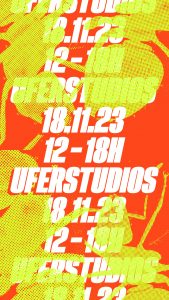
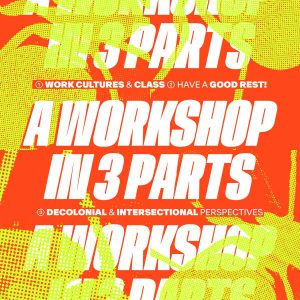
Workshop: Dismantling Barriers for a Better Work Culture in Dance Making and ‚Tanzvermittlung‘
When? 18.11.2023 12 – 18h
Where? Studio 16, Uferstudios
What is in the way to access dance and how can these obstacles be dismantled? Research with us in a workshop in 3 parts that addresses different barriers in the field of dance and ‘Tanzvermittlung’* in Berlin.
Work Cultures and Class (AG Work Culture)
Olympia, Rike and Enrico from AG Work Culture will kick off the day sharing the results of the AG Work Cultures’s two year process that resulted in the publishing of a set of guidelines: “How to (Make) Dance in Berlin”. This will serve as a starting point to discuss class barriers to access the independent dance scene – and to reflect how this impacts the field of ‘Tanzvermittlung’.
Have a good rest! (Angela Alves)
Crip folk often know very well what they need to do to level their pain, but there is not enough space, validation and recognition for these practices in dance and society. This workshop centers resting as a crip technique and discusses it as a transformative practice of justice and liberation.
Decolonial and Intersectional Perspectives (Kathy-Ann Tan)
This workshop will take a participatory and collaborative approach, asking participants to delve into what they envision as good working conditions and sustainable forms of remuneration, distribution of resources and structural support. What does it mean to center decolonial and intersectional forms of theory and practice in the arts and cultures, particularly in a context of dance, live art and ‘Tanzvermittlung’? How can accessibility and disability justice in the arts be more than simply an „add-on“, and instead a committed approach, methodology and practice?
Access Information
The Heizhaus is accessible via two ramps. The first ramp is 6.60 m long and has an incline of 5.2%, the second ramp is 6.80 m long with a 6% incline. To enter Studio 16, a 15 cm high step must be passed. If required, a mobile ramp is available here, which should be operated with an assistant. Seating is customized. We offer beanbags, mattresses and cushions. There are two barrier-free WCs with showers (measuring 2.6 m x 2.1 m) on the premises, which can be accessed without steps. There is no guidance system for the blind. Participants are asked to test for covid before coming. Stimmtoys and earplugs will be provided. Studio 16 will be available throughout the workshop as a chill out space.
* The field of ‘Tanzvermittlung’ moves between dance & society and aims to create access to practice & witness dance as an art form.
More definitions you find here: https://www.access-point-tanz.org
Free of charge. Lunch included.
Reserve your spot here: info@access-point-tanz.org
The workshop is a collaboration of Access Point Tanz and ZTB e.V. represented by AG Work Culture and is funded by Berliner Senatsverwaltung für Kultur und Gesellschaftlichen Zusammenhalt.
AG Work Culture is represented by Enrico L’Abbate, Olympia Bukkakis & Rike Flämig.
Get labelled: Parents in Theaters!
Get labelled: Parents in Theaters!
Seit 1. Juli erarbeitet die Ag Tanz und Elternschaft des ZTB in mehreren Labs und im Austausch mit weiteren Künstler*innen, Netzwerken und Initiativen und in Zusammenarbeit mit drei Berliner Spielstätten Kriterien und best-practice Modelle, die es tanz-/kunstinteressierten Eltern ermöglichen als Publikum zu partizipieren. Dabei werden u.a. auch Formate, die während der Pandemie seit 2020 entstanden sind, evaluiert. Die Ag entwickelt daraus einen Kids-Rider und ein Familienfreundlichkeits-Label. Die Ergebnisse des geförderten Artist Labs werden u.a. am 20./21. Oktober beim Treffen der Bundesweiten Artist Labs B.A.L.L. auf Kampnagel in Hamburg vorgestellt.
Die Bundesweiten Artist Labs sind eine Maßnahme des Fonds Darstellende Künste, finanziert aus Mitteln der Beauftragten der Bundesregierung für Kultur und Medien im Rahmen von NEUSTART KULTUR.
Mehr Info zur Ag Tanz und Elternschaft: https://tanz-und-elternschaft.de/
“Tanz(en) in Berlin – Eine Toolbox für eine bessere Arbeitskultur in der freien Tanzszene“
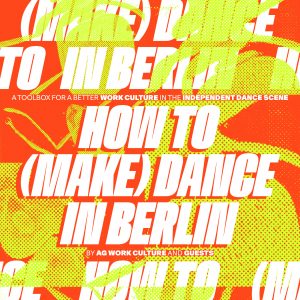
Wir freuen uns, euch das digitale Booklet “Tanz(en) in Berlin – Eine Toolbox für eine bessere Arbeitskultur in der freien Tanzszene“ von der AG Work Culture und Gästen – einer Arbeitsgruppe und Bottom-up-Initiative innerhalb des Zeitgenössischen Tanz Berlin e.V. – vorstellen zu können. Die Broschüre könnt ihr auf Deutsch und Englisch abrufen.
Seit dem 1. März 2021 hat eine Gruppe von über 20 Kulturschaffenden, die aus Freischaffenden wie auch aus Angestellten von Institutionen der freien Tanzszene der Stadt bestehen, sich regelmäßig ehrenamtlich online und offline getroffen, um die Herausforderungen des Arbeitslebens in Berlin herauszuarbeiten, sowie Strategien der Zusammenarbeit und Organisation aufzuzeigen. „Tanz(en) in Berlin – Eine Toolbox für eine bessere Arbeitskultur in der freien Tanzszene“ zeugt von der dringenden Notwendigkeit und Bereitschaft, die Arbeitsweisen und die Existenz des Tanzes auf dem Arbeits- und Kunstmarkt zu verändern.
Das Booklet stellt Richtlinien und einige praktische Tools bereit, die direkt im Studio sowie in Kunst- und Tanzinstitutionen eingesetzt werden können, ebenso wie in allen anderen Aktivitäten rund um den Tanz. Es ist eine Sammlung unserer Ideen und von offen zugänglichen Materialien, die während eines kollektiven Prozesses entstanden sind. Mit diesen Richtlinien schlagen wir ein Mindestmaß für die gesunde Zusammenarbeit zwischen verschiedenen Akteur*innen in der freien Tanzszene Berlins vor und wollen die strukturelle Verbesserung des Arbeitsumfeldes weiter vorantreiben.
Wir wären euch dankbar, wenn ihr die Publikation in Ihren Netzwerken verbreiten würdet. Bitte zögert euch nicht, uns zu kontaktieren, wenn ihr weitere Fragen habt: agworkculture@gmail.com
AG Work Culture (Angela Alves, Olympia Bukkakis, Rike Flämig, Beatrix Joyce, Enrico L’Abbate, Matthias Mohr, Ania Nowak, Benjamin Pohlig, Anna Romeo, Mateusz Szymanówka, Simone Willeit, Kasia Wolińska)
Wir freuen uns, euch das digitale Booklet “Tanz(en) in Berlin – Eine Toolbox für eine bessere Arbeitskultur in der freien Tanzszene“ von der AG Work Culture und Gästen – einer Arbeitsgruppe und Bottom-up-Initiative innerhalb des Zeitgenössischen Tanz Berlin e.V. – vorstellen zu können. Die Broschüre könnt ihr auf Deutsch und Englisch abrufen.
Seit dem 1. März 2021 hat eine Gruppe von über 20 Kulturschaffenden, die aus Freischaffenden wie auch aus Angestellten von Institutionen der freien Tanzszene der Stadt bestehen, sich regelmäßig ehrenamtlich online und offline getroffen, um die Herausforderungen des Arbeitslebens in Berlin herauszuarbeiten, sowie Strategien der Zusammenarbeit und Organisation aufzuzeigen. „Tanz(en) in Berlin – Eine Toolbox für eine bessere Arbeitskultur in der freien Tanzszene“ zeugt von der dringenden Notwendigkeit und Bereitschaft, die Arbeitsweisen und die Existenz des Tanzes auf dem Arbeits- und Kunstmarkt zu verändern.
Das Booklet stellt Richtlinien und einige praktische Tools bereit, die direkt im Studio sowie in Kunst- und Tanzinstitutionen eingesetzt werden können, ebenso wie in allen anderen Aktivitäten rund um den Tanz. Es ist eine Sammlung unserer Ideen und von offen zugänglichen Materialien, die während eines kollektiven Prozesses entstanden sind. Mit diesen Richtlinien schlagen wir ein Mindestmaß für die gesunde Zusammenarbeit zwischen verschiedenen Akteur*innen in der freien Tanzszene Berlins vor und wollen die strukturelle Verbesserung des Arbeitsumfeldes weiter vorantreiben.
Wir wären euch dankbar, wenn ihr die Publikation in Ihren Netzwerken verbreiten würdet. Bitte zögert euch nicht, uns zu kontaktieren, wenn ihr weitere Fragen habt: agworkculture@gmail.com
AG Work Culture (Angela Alves, Olympia Bukkakis, Rike Flämig, Beatrix Joyce, Enrico L’Abbate, Matthias Mohr, Ania Nowak, Benjamin Pohlig, Anna Romeo, Mateusz Szymanówka, Simone Willeit, Kasia Wolińska)
Wir freuen uns, euch das digitale Booklet “Tanz(en) in Berlin – Eine Toolbox für eine bessere Arbeitskultur in der freien Tanzszene“ von der AG Work Culture und Gästen – einer Arbeitsgruppe und Bottom-up-Initiative innerhalb des Zeitgenössischen Tanz Berlin e.V. – vorstellen zu können. Die Broschüre könnt ihr auf Deutsch und Englisch abrufen.
Seit dem 1. März 2021 hat eine Gruppe von über 20 Kulturschaffenden, die aus Freischaffenden wie auch aus Angestellten von Institutionen der freien Tanzszene der Stadt bestehen, sich regelmäßig ehrenamtlich online und offline getroffen, um die Herausforderungen des Arbeitslebens in Berlin herauszuarbeiten, sowie Strategien der Zusammenarbeit und Organisation aufzuzeigen. „Tanz(en) in Berlin – Eine Toolbox für eine bessere Arbeitskultur in der freien Tanzszene“ zeugt von der dringenden Notwendigkeit und Bereitschaft, die Arbeitsweisen und die Existenz des Tanzes auf dem Arbeits- und Kunstmarkt zu verändern.
Das Booklet stellt Richtlinien und einige praktische Tools bereit, die direkt im Studio sowie in Kunst- und Tanzinstitutionen eingesetzt werden können, ebenso wie in allen anderen Aktivitäten rund um den Tanz. Es ist eine Sammlung unserer Ideen und von offen zugänglichen Materialien, die während eines kollektiven Prozesses entstanden sind. Mit diesen Richtlinien schlagen wir ein Mindestmaß für die gesunde Zusammenarbeit zwischen verschiedenen Akteur*innen in der freien Tanzszene Berlins vor und wollen die strukturelle Verbesserung des Arbeitsumfeldes weiter vorantreiben.
Wir wären euch dankbar, wenn ihr die Publikation in Ihren Netzwerken verbreiten würdet. Bitte zögert euch nicht, uns zu kontaktieren, wenn ihr weitere Fragen habt: agworkculture@gmail.com
AG Work Culture (Angela Alves, Olympia Bukkakis, Rike Flämig, Beatrix Joyce, Enrico L’Abbate, Matthias Mohr, Ania Nowak, Benjamin Pohlig, Anna Romeo, Mateusz Szymanówka, Simone Willeit, Kasia Wolińska)
Wir freuen uns, euch das digitale Booklet “Tanz(en) in Berlin – Eine Toolbox für eine bessere Arbeitskultur in der freien Tanzszene“ von der AG Work Culture und Gästen – einer Arbeitsgruppe und Bottom-up-Initiative innerhalb des Zeitgenössischen Tanz Berlin e.V. – vorstellen zu können. Die Broschüre könnt ihr auf Deutsch und Englisch abrufen.
Seit dem 1. März 2021 hat eine Gruppe von über 20 Kulturschaffenden, die aus Freischaffenden wie auch aus Angestellten von Institutionen der freien Tanzszene der Stadt bestehen, sich regelmäßig ehrenamtlich online und offline getroffen, um die Herausforderungen des Arbeitslebens in Berlin herauszuarbeiten, sowie Strategien der Zusammenarbeit und Organisation aufzuzeigen. „Tanz(en) in Berlin – Eine Toolbox für eine bessere Arbeitskultur in der freien Tanzszene“ zeugt von der dringenden Notwendigkeit und Bereitschaft, die Arbeitsweisen und die Existenz des Tanzes auf dem Arbeits- und Kunstmarkt zu verändern.
Das Booklet stellt Richtlinien und einige praktische Tools bereit, die direkt im Studio sowie in Kunst- und Tanzinstitutionen eingesetzt werden können, ebenso wie in allen anderen Aktivitäten rund um den Tanz. Es ist eine Sammlung unserer Ideen und von offen zugänglichen Materialien, die während eines kollektiven Prozesses entstanden sind. Mit diesen Richtlinien schlagen wir ein Mindestmaß für die gesunde Zusammenarbeit zwischen verschiedenen Akteur*innen in der freien Tanzszene Berlins vor und wollen die strukturelle Verbesserung des Arbeitsumfeldes weiter vorantreiben.
Wir wären euch dankbar, wenn ihr die Publikation in Ihren Netzwerken verbreiten würdet. Bitte zögert euch nicht, uns zu kontaktieren, wenn ihr weitere Fragen habt: agworkculture@gmail.com
AG Work Culture (Angela Alves, Olympia Bukkakis, Rike Flämig, Beatrix Joyce, Enrico L’Abbate, Matthias Mohr, Ania Nowak, Benjamin Pohlig, Anna Romeo, Mateusz Szymanówka, Simone Willeit, Kasia Wolińska)
Wir freuen uns, euch das digitale Booklet “Tanz(en) in Berlin – Eine Toolbox für eine bessere Arbeitskultur in der freien Tanzszene“ von der AG Work Culture und Gästen – einer Arbeitsgruppe und Bottom-up-Initiative innerhalb des Zeitgenössischen Tanz Berlin e.V. – vorstellen zu können. Die Broschüre könnt ihr auf Deutsch und Englisch abrufen.
Seit dem 1. März 2021 hat eine Gruppe von über 20 Kulturschaffenden, die aus Freischaffenden wie auch aus Angestellten von Institutionen der freien Tanzszene der Stadt bestehen, sich regelmäßig ehrenamtlich online und offline getroffen, um die Herausforderungen des Arbeitslebens in Berlin herauszuarbeiten, sowie Strategien der Zusammenarbeit und Organisation aufzuzeigen. „Tanz(en) in Berlin – Eine Toolbox für eine bessere Arbeitskultur in der freien Tanzszene“ zeugt von der dringenden Notwendigkeit und Bereitschaft, die Arbeitsweisen und die Existenz des Tanzes auf dem Arbeits- und Kunstmarkt zu verändern.
Das Booklet stellt Richtlinien und einige praktische Tools bereit, die direkt im Studio sowie in Kunst- und Tanzinstitutionen eingesetzt werden können, ebenso wie in allen anderen Aktivitäten rund um den Tanz. Es ist eine Sammlung unserer Ideen und von offen zugänglichen Materialien, die während eines kollektiven Prozesses entstanden sind. Mit diesen Richtlinien schlagen wir ein Mindestmaß für die gesunde Zusammenarbeit zwischen verschiedenen Akteur*innen in der freien Tanzszene Berlins vor und wollen die strukturelle Verbesserung des Arbeitsumfeldes weiter vorantreiben.
Wir wären euch dankbar, wenn ihr die Publikation in Ihren Netzwerken verbreiten würdet. Bitte zögert euch nicht, uns zu kontaktieren, wenn ihr weitere Fragen habt: agworkculture@gmail.com
AG Work Culture (Angela Alves, Olympia Bukkakis, Rike Flämig, Beatrix Joyce, Enrico L’Abbate, Matthias Mohr, Ania Nowak, Benjamin Pohlig, Anna Romeo, Mateusz Szymanówka, Simone Willeit, Kasia Wolińska)
Wir freuen uns, euch das digitale Booklet “Tanz(en) in Berlin – Eine Toolbox für eine bessere Arbeitskultur in der freien Tanzszene“ von der AG Work Culture und Gästen – einer Arbeitsgruppe und Bottom-up-Initiative innerhalb des Zeitgenössischen Tanz Berlin e.V. – vorstellen zu können. Die Broschüre könnt ihr auf Deutsch und Englisch abrufen.
Seit dem 1. März 2021 hat eine Gruppe von über 20 Kulturschaffenden, die aus Freischaffenden wie auch aus Angestellten von Institutionen der freien Tanzszene der Stadt bestehen, sich regelmäßig ehrenamtlich online und offline getroffen, um die Herausforderungen des Arbeitslebens in Berlin herauszuarbeiten, sowie Strategien der Zusammenarbeit und Organisation aufzuzeigen. „Tanz(en) in Berlin – Eine Toolbox für eine bessere Arbeitskultur in der freien Tanzszene“ zeugt von der dringenden Notwendigkeit und Bereitschaft, die Arbeitsweisen und die Existenz des Tanzes auf dem Arbeits- und Kunstmarkt zu verändern.
Das Booklet stellt Richtlinien und einige praktische Tools bereit, die direkt im Studio sowie in Kunst- und Tanzinstitutionen eingesetzt werden können, ebenso wie in allen anderen Aktivitäten rund um den Tanz. Es ist eine Sammlung unserer Ideen und von offen zugänglichen Materialien, die während eines kollektiven Prozesses entstanden sind. Mit diesen Richtlinien schlagen wir ein Mindestmaß für die gesunde Zusammenarbeit zwischen verschiedenen Akteur*innen in der freien Tanzszene Berlins vor und wollen die strukturelle Verbesserung des Arbeitsumfeldes weiter vorantreiben.
Wir wären euch dankbar, wenn ihr die Publikation in Ihren Netzwerken verbreiten würdet. Bitte zögert euch nicht, uns zu kontaktieren, wenn ihr weitere Fragen habt: agworkculture@gmail.com
AG Work Culture (Angela Alves, Olympia Bukkakis, Rike Flämig, Beatrix Joyce, Enrico L’Abbate, Matthias Mohr, Ania Nowak, Benjamin Pohlig, Anna Romeo, Mateusz Szymanówka, Simone Willeit, Kasia Wolińska)
Wir freuen uns, euch das digitale Booklet “Tanz(en) in Berlin – Eine Toolbox für eine bessere Arbeitskultur in der freien Tanzszene“ von der AG Work Culture und Gästen – einer Arbeitsgruppe und Bottom-up-Initiative innerhalb des Zeitgenössischen Tanz Berlin e.V. – vorstellen zu können. Die Broschüre könnt ihr auf Deutsch und Englisch abrufen.
Seit dem 1. März 2021 hat eine Gruppe von über 20 Kulturschaffenden, die aus Freischaffenden wie auch aus Angestellten von Institutionen der freien Tanzszene der Stadt bestehen, sich regelmäßig ehrenamtlich online und offline getroffen, um die Herausforderungen des Arbeitslebens in Berlin herauszuarbeiten, sowie Strategien der Zusammenarbeit und Organisation aufzuzeigen. „Tanz(en) in Berlin – Eine Toolbox für eine bessere Arbeitskultur in der freien Tanzszene“ zeugt von der dringenden Notwendigkeit und Bereitschaft, die Arbeitsweisen und die Existenz des Tanzes auf dem Arbeits- und Kunstmarkt zu verändern.
Das Booklet stellt Richtlinien und einige praktische Tools bereit, die direkt im Studio sowie in Kunst- und Tanzinstitutionen eingesetzt werden können, ebenso wie in allen anderen Aktivitäten rund um den Tanz. Es ist eine Sammlung unserer Ideen und von offen zugänglichen Materialien, die während eines kollektiven Prozesses entstanden sind. Mit diesen Richtlinien schlagen wir ein Mindestmaß für die gesunde Zusammenarbeit zwischen verschiedenen Akteur*innen in der freien Tanzszene Berlins vor und wollen die strukturelle Verbesserung des Arbeitsumfeldes weiter vorantreiben.
Wir wären euch dankbar, wenn ihr die Publikation in Ihren Netzwerken verbreiten würdet. Bitte zögert euch nicht, uns zu kontaktieren, wenn ihr weitere Fragen habt: agworkculture@gmail.com
AG Work Culture (Angela Alves, Olympia Bukkakis, Rike Flämig, Beatrix Joyce, Enrico L’Abbate, Matthias Mohr, Ania Nowak, Benjamin Pohlig, Anna Romeo, Mateusz Szymanówka, Simone Willeit, Kasia Wolińska)
Wir freuen uns, euch das digitale Booklet “Tanz(en) in Berlin – Eine Toolbox für eine bessere Arbeitskultur in der freien Tanzszene“ von der AG Work Culture und Gästen – einer Arbeitsgruppe und Bottom-up-Initiative innerhalb des Zeitgenössischen Tanz Berlin e.V. – vorstellen zu können. Die Broschüre könnt ihr auf Deutsch und Englisch abrufen.
Seit dem 1. März 2021 hat eine Gruppe von über 20 Kulturschaffenden, die aus Freischaffenden wie auch aus Angestellten von Institutionen der freien Tanzszene der Stadt bestehen, sich regelmäßig ehrenamtlich online und offline getroffen, um die Herausforderungen des Arbeitslebens in Berlin herauszuarbeiten, sowie Strategien der Zusammenarbeit und Organisation aufzuzeigen. „Tanz(en) in Berlin – Eine Toolbox für eine bessere Arbeitskultur in der freien Tanzszene“ zeugt von der dringenden Notwendigkeit und Bereitschaft, die Arbeitsweisen und die Existenz des Tanzes auf dem Arbeits- und Kunstmarkt zu verändern.
Das Booklet stellt Richtlinien und einige praktische Tools bereit, die direkt im Studio sowie in Kunst- und Tanzinstitutionen eingesetzt werden können, ebenso wie in allen anderen Aktivitäten rund um den Tanz. Es ist eine Sammlung unserer Ideen und von offen zugänglichen Materialien, die während eines kollektiven Prozesses entstanden sind. Mit diesen Richtlinien schlagen wir ein Mindestmaß für die gesunde Zusammenarbeit zwischen verschiedenen Akteur*innen in der freien Tanzszene Berlins vor und wollen die strukturelle Verbesserung des Arbeitsumfeldes weiter vorantreiben.
Wir wären euch dankbar, wenn ihr die Publikation in Ihren Netzwerken verbreiten würdet. Bitte zögert euch nicht, uns zu kontaktieren, wenn ihr weitere Fragen habt: agworkculture@gmail.com
AG Work Culture (Angela Alves, Olympia Bukkakis, Rike Flämig, Beatrix Joyce, Enrico L’Abbate, Matthias Mohr, Ania Nowak, Benjamin Pohlig, Anna Romeo, Mateusz Szymanówka, Simone Willeit, Kasia Wolińska)
AG work culture, AG Tanz und Elternschaft
𝐈𝐍𝐅𝐎-𝐓𝐀𝐍𝐙 // AG Tanz und Elternschaft | Info-Treffen
Termin: 22.11.2022, 13-15 Uhr
Ort: Cornus Remise, Gustav-Adolf-Str. 159, 13086 Berlin
In den vergangenen zwei Jahren war die AG im Gespräch mit Förderinstitutionen, Jurymitgliedern, Residenzorten sowie mit Künstler*innen, Organisationen, Vereinen, Initiativen und Netzwerken, die sich für bessere Arbeitsbedingungen von Tanz-/Kunstschaffenden in Elternschaft einsetzen. Diese Erfahrungen und Informationen möchte die AG mit euch teilen. Jede*r, die*der daran interessiert ist, Tanzschaffende in Elternschaft zu unterstützen, ist willkommen!
Den Link zur Anmeldung und weitere Infos findet ihr auf tanzraumberlin.de:

AG Work Culture
Work CultureLab 3 –
working culture: Angela Alves, Olympia Bukkakis, Ulrike Flaeming, Beatrix Joyce, Matthias Mohr, Ania Nowak, Benjamin Pohlig, Rilaben, Mateusz Szymanówka, Simone Willeit, Kasia Wolinska.
With the warmest thanks to Makisig Akin & Lena Szirmay-Kalos, Mateusz Szymanówka & Kasia Wolinska, ZTB e.V., PSR-Group and Radialsystem.
Choreographic Convention VIII is a production by UFERSTUDIOS GmbH as part of the European network project Life Long Burning, co-funded by the Creative Europe Programme and the Kofinanzierungsfonds of Berlin’s Senate Department for Culture and Europe. Lab 3 WORKING CULTURE is organized as a cooperation with ZTB e.V. and Radialsystem.
Public Event: 11.11.2022: 11:00 Uferstudios Heizhaus
Public Event: 19.11.2022: 18:00 Radialsystem
Public Event: 19.11.2022: 18:00 Radialsystem
Note: This event will be in english.
Die Choreographic Convention VIII, WHAT/SPACE:CHANGES/CULTURE, ist eine Versammlung von Choreograph*innen, Tänzer*innen, Performancekünstler*innen, Schriftsteller*innen, Forscher*innen, Kurator*innen, künstlerischen Leiter*innen und Produzent*innen, um sich zu treffen und über Themen rund um die Frage „Welche Art von Raum kann Veränderungen in der Tanzarbeitskultur fördern?“ zu reflektieren.
Die Frage lenkt die Aufmerksamkeit auf einen notwendigen Diskurs im Bereich des Tanzes in Bezug auf Künstler*innen und Kulturschaffenden, die asymmetrisch von globalen strukturellen und sozialen Problemen betroffen sind, einschließlich, aber nicht beschränkt auf Fragen des Rassismus, des Abelismus, der Frauenrechte, der Rechte von Transgender, der Kriegsführung, der Auswirkungen des Kapitalismus und der anhaltenden Covid-Pandemie. Im Rahmen der Choreographic Convention wird auch die AG work culture des ZTB ihre Richtlinien zu einer nachhaltigen Arbeitskultur vorstellen.
Die Frage lenkt die Aufmerksamkeit auf einen notwendigen Diskurs im Bereich des Tanzes in Bezug auf Künstler*innen und Kulturschaffenden, die asymmetrisch von globalen strukturellen und sozialen Problemen betroffen sind, einschließlich, aber nicht beschränkt auf Fragen des Rassismus, des Abelismus, der Frauenrechte, der Rechte von Transgender, der Kriegsführung, der Auswirkungen des Kapitalismus und der anhaltenden Covid-Pandemie. Im Rahmen der Choreographic Convention wird auch die AG work culture des ZTB ihre Richtlinien zu einer nachhaltigen Arbeitskultur vorstellen.
Lab 3 – working culture: Angela Alves, Olympia Bukkakis, Ulrike Flaeming, Beatrix Joyce, Matthias Mohr, Ania Nowak, Benjamin Pohlig, Rilaben, Mateusz Szymanówka, Simone Willeit, Kasia Wolinska.
Mit herzlichem Dank an Makisig Akin & Lena Szirmay-Kalos, Mateusz Szymanówka & Kasia Wolinska, ZTB e.V., PSR-Group and Radialsystem.
Die Choreographic Convention VIII ist eine Veranstaltung der UFERSTUDIOS GmbH im Rahmen des des europäischen Netzwerkprojekts Life Long Burning, mit Mitteln des Creative Europe Programms und des Kofinanzierungsfonds der Berliner Senatsverwaltung für Kultur und Europa. Lab 3 WORK CULTURE ist eine Kooperation mit ZTB e.V. und Radialsystem.
Öffentliche Veranstaltung: 19.11.2022: 18:00 Radialsystem
Wahlprüfsteine Tanz Berlin 2021
Wir freuen uns, heute, die gemeinsam mit dem Netzwerk TanzRaumBerlin initiierten Wahlprüfsteine für die kommende Bundestagswahl sowie der Wahl zum Abgeordnetenhaus in Berlin sowie die entsprechenden Antworten der angefragten Landesverbände der Parteien zu veröffentlichen. Beide Wahlen finden am Sonntag, den 26.09.2021 statt.
Die Wahlprüfsteine sind unser Mittel, die zur Wahl stehenden Parteien um Positionspapiere für drängende kulturpolitische Fragen zu bitten. Wir haben von allen vom ZTB e.V. und dem Netzwerk TanzRaumBerlin kontaktierten Parteien – der SPD, CDU, Bündnis 90/Die Grünen, Die Linke sowie die Freie Demokratische Partei – eine Antwort erhalten. Dafür möchten wir uns an dieser Stelle noch einmal ganz herzlich bedanken!
Das Netzwerk TanzRaumBerlin sowie der ZTB e.V. haben gemeinsam fünf Wahlprüfsteine mit jeweils zwei bis drei Fragen formuliert. Darunter zählen Themenbereiche wie die Fortsetzung und Weiterentwicklung angestossener Initiativen zur „Kontinuität künstlerischen Arbeitens“, zur „Stärkung dezentraler Infrastruktur“ und einer „Neuen Zentralen Einrichtung für den Tanz“, aber auch zur Stärkung der Positionen des Runden Tisch Tanz und zur Weiterentwicklung und Neuausrichtung von Förderinstrumenten. Die Wahlprüfsteine und die Fragen veröffentlichen wir im Anhang gemeinsam mit den Antworten der Parteien.
Die anstehenden Bundestagswahlen sowie die Wahl zum Abgeordnetenhaus in Berlin sind entscheidend wichtig für die weitere Entwicklung der Kulturpolitik in Land und Bund. Bitte informiert euch über die Positionen der Parteien. Bildet euch eine Meinung und beteiligt euch aktiv an Diskussionen. Gerne nehmen wir auch in Zukunft eure Anregungen, Ideen und Forderungen auf. Kontaktiert auch die/den für euren Wohnort zuständige*n Abgeordnete*n und sucht das Gespräch. Und vor allem: Geht wählen!
Kultur Räume Berlin: Vergabe zweier Tanz-Proberäume „Georg-Knorr-Straße“
Kultur Räume Berlin, vertreten durch die Kulturraum Berlin GmbH, vergibt an professionell arbeitende Künstler*innen im Rahmen des Arbeitsraumprogramms (ARP, bisher betreut durch die Senatsverwaltung für Kultur und Europa) und in Kooperation mit der Gesellschaft für StadtEntwicklung gGmbH zwei subventionierte, neu hergerichtete Probe-/Produktionsräume Tanz in der Georg-Knorr-Str. 4 in Berlin-Mahrzahn ab Juni 2021.Der Standort hat eine sehr gute Anbindung an den ÖPNV: S7 (Station Berlin-Mahrzahn, Anbindung an S-Bhf Ostkreuz), Tram 16, 27, M6, M17 (Station Gewerbepark Georg Knorr, Anbindung an S-Bhf Landsberger Allee).
Die Räume befinden sich im 1. OG eines ehemaligen Fabrikgebäudes, auf dem gleichen Geschoss befinden sich u. a. die neuen Seneca Intensiv Studios. Der Mietbeginn erfolgt voraussichtlich ab dem 01.06.2021.
Proberaum Nr. 1: Tanzraum 123,78 m2 + Büro 28,68 m2 (zzgl. Duschen, WCs) -> mtl. Gesamtkosten inkl. Strom 997,17 €.
Proberaum Nr. 2: Tanzraum 83,03 m2 + Büro 8,85 m2 (zzgl. Duschen, WCs) -> mtl. Gesamtkosten inkl. Strom 616,84 €.
Die Räume werden von zwei Unterzügen überspannt, an diesen Stellen beträgt die lichte Raumhöhe 3,46 m bzw. 3,86 m, die Türbreite beträgt jeweils 1,25 m. Alle Wände sind weiß gestrichen, der Estrichfußboden wurde mit einer hellgrauen, matten Farbbeschichtung versehen bzw. ist in den beiden Tanzräumen mit Schwingboden und Tanzteppich ausgestattet.
Detaillierte Informationen zu den Räumen finden sich hier. (Infoblatt als pdf zum Herunterladen s.u.)
Bewerben können sich sowohl Einzelkünstler*innen als auch Nutzer*innen-Gruppen/Zusammenschlüsse von bis zu fünf Mietparteien pro Raum. Die Räume werden für 12 oder 24 Monate vergeben, Verlängerungen sind bis zu max. vier Jahre möglich. Die Auswahl erfolgt durch einen spartenspezifischen, unabhängigen Vergabebeirat für Darstellende Künste und Tanz im Rahmen des ARP.
Die beiden Besichtigungstermine am 13.04. und 27.04.2021 finden ausschließlich digital statt.
Bei der Kulturraum Berlin GmbH ist eine Voranmeldung über folgenden Link https://kultur-raeume-berlin.everreal.co/app/public/listings erforderlich.
Besichtigungstermine:
13.04.2021, 16.00-17.30 Uhr (Online via Zoom)
27.04.2021, 16.00-17.30 Uhr (Online via Zoom)
Bewerbungsfrist: 09.05.2021
Infoblatt der Kultur Räume Berlin: Vergabe von zwei Tanzräumen+Büro_Georg-Knorr-Str. 4_Infoblatt Kulturraum Berlin GmbH März 2021
Mit diesem CryptPad bietet die Kulturraum Berlin GmbH die Möglichkeit zur selbstorganisierten Vernetzung als Nutzer*innengemeinschaft: https://cryptpad.fr/pad/#/2/pad/edit/dPX2YXJ9zv-inZyZPDSbjWeT/
Es funktioniert wie eine Pinnwand, hier können Kontakte zu anderen Bewerber*innen gesucht werden, um Nutzer*innengemeinschaften im Vorfeld der Bewerbung abzuklären oder zu finden.